
 All Services
 Local Moving
 Long-Distance Moving
 Commercial Moving
 Apartment Movers
 Piano Moving
 Packing & Storage
 Service Areas
 How It Works
 Reviews
 About LD Movers
 Contact

Full packing
Every room packed by our crews using professional cartons, with a full carton inventory.
Full or partial packing with professional-grade materials, plus secure short and long-term storage in an inventoried warehouse.
Packing and storage
Two services that solve the two problems that most often derail a move: time and dates that do not line up.
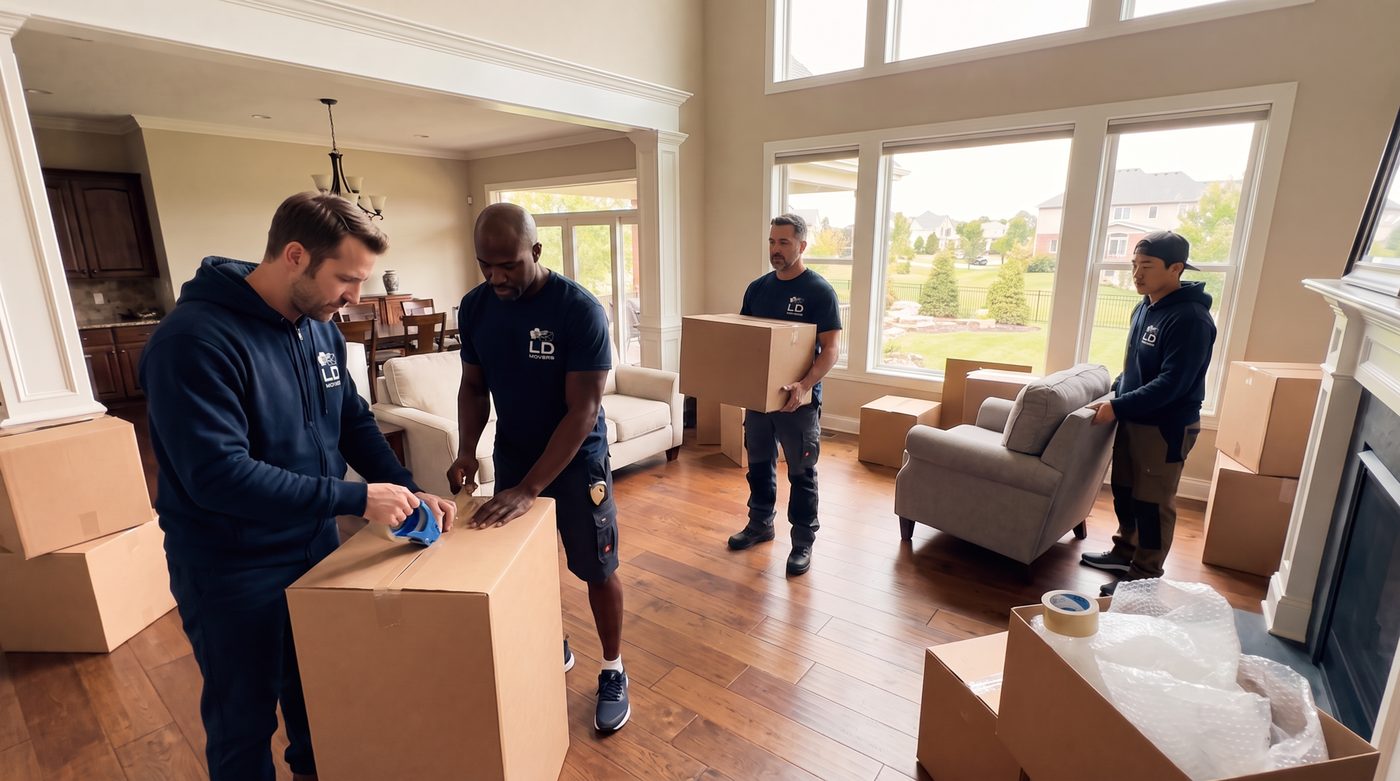
Packing is where most self-managed moves run out of time. We offer full packing, partial packing where you handle the easy rooms and we take the kitchen and fragile items, or materials only if you would rather do it all yourself.
There is a practical reason to let us pack the fragile items: cartons packed by the carrier are covered for damage in a way that owner-packed cartons generally are not. If something in a box you sealed arrives broken, a claim is far harder to make.
Storage solves the calendar problem. When your closing slips or a lease starts late, your shipment goes into a secured, inventoried warehouse and comes back out tagged against the same inventory it went in with.
What is included
Every room packed by our crews using professional cartons, with a full carton inventory.
You handle the straightforward rooms; we take the kitchen, glassware, artwork, and electronics.
Dish packs, wardrobe boxes, mirror cartons, bubble, and paper - not supermarket boxes.
Wooden crates built for artwork, glass tops, marble, and fragile antiques.
Short-term warehousing when a closing or lease date slips, billed monthly.
Secured, inventoried warehouse space with everything tagged against your original inventory.
How it works
One inventory follows your shipment from your door to the warehouse and back out again.
Your coordinator confirms which rooms we pack, which you handle, and what needs custom crating.
Cartons and materials arrive ahead of pack day so nothing waits on a supply run.
Crews pack, label by room, and record every carton on the inventory sheet you will sign.
The shipment is loaded and transported either to your destination or into storage.
Items are received against the inventory, tagged, and placed in secured vaults.
When your date is confirmed, the shipment is pulled, checked against inventory, and delivered.
Pricing
Packing is quoted on volume and materials rather than time, so you know the number before pack day. Full packing typically adds 20 to 30 percent to the base cost of a long-distance move.
Storage is billed monthly on the volume stored. Storage in transit for a few weeks between dates is materially cheaper than a long-term arrangement and is the more common case.
Before move day
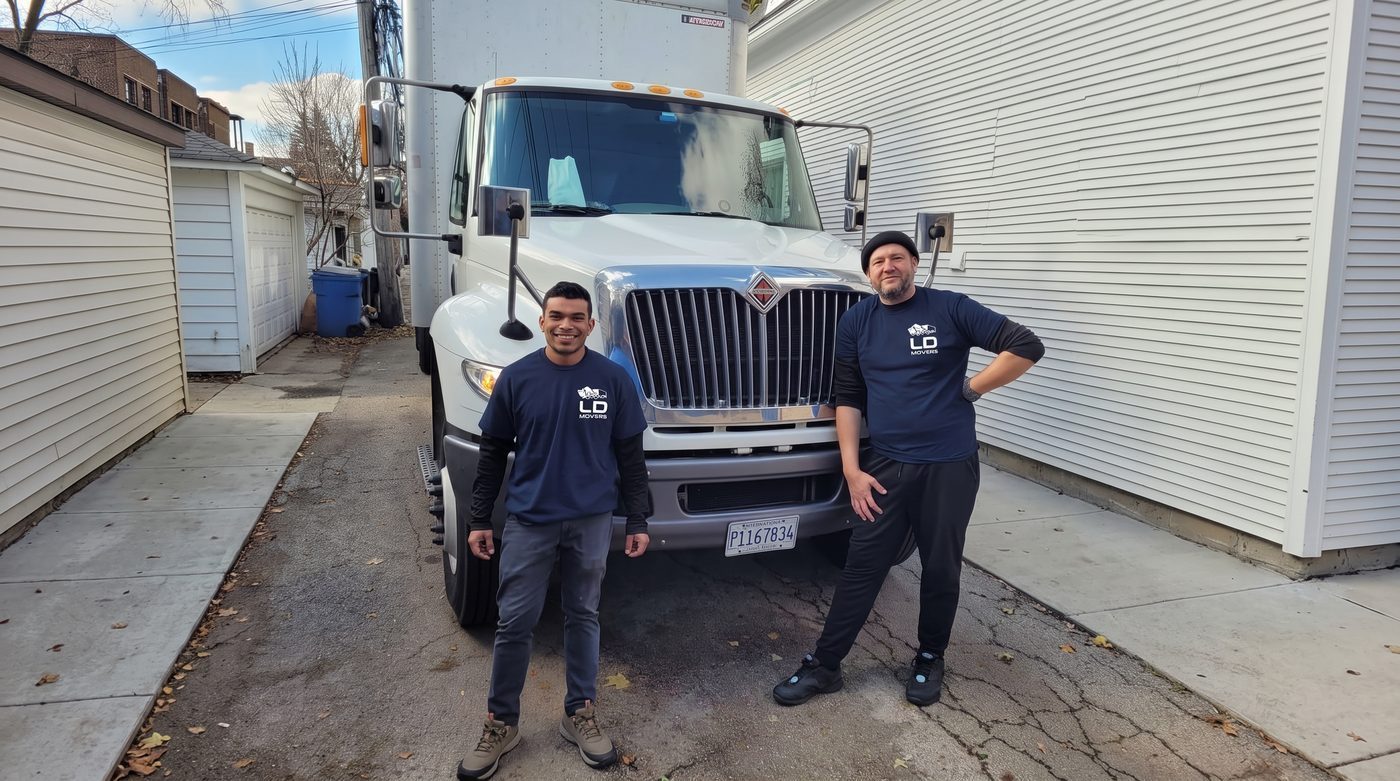
The difference between a smooth move and an expensive one is usually settled weeks before the truck arrives. Get the paperwork right, be honest about access, and confirm what is actually included in the price you were quoted.
Ask any mover for their USDOT number and verify it. A legitimate interstate carrier is registered with the Federal Motor Carrier Safety Administration, and you can look up their licensing and insurance status in a few minutes. Be cautious with any company that will not give you a written estimate, demands a large cash deposit up front, or refuses to survey your inventory before quoting a price.
Be specific about access at both ends. Stairs, elevator reservations, long carries from the truck to the door, low-clearance garages, and narrow streets all change the crew size and the hours required. An access detail you leave out is the single most common reason a job runs past its estimate.
Licensing and protection
Any company moving household goods across a state line is regulated by the Federal Motor Carrier Safety Administration and must hold an active USDOT number and operating authority. LD Movers holds both, carries cargo and liability coverage, and provides certificates of insurance for buildings that require one before move day.
Valuation is not the same thing as insurance, and the difference surprises people at claim time. Every interstate shipment includes released value protection at no charge, which pays 60 cents per pound per article. On a 40-pound flat-screen television that comes to $24 regardless of what you paid for it.
Full value protection is the alternative. Under it, the carrier is liable for the replacement value of a lost or damaged item, and repairs, replaces, or pays out accordingly. It costs more and usually carries a deductible option, and on a full household shipment it is almost always the right call. Your coordinator walks through both options before you sign anything.
Note any damage on the inventory sheet at delivery before the driver leaves - that document is the basis of a claim. You have nine months from delivery to file, and carriers must acknowledge a claim within 30 days and resolve it within 120. We would rather fix a problem than argue about one, and our claims contact is the same coordinator you have worked with from the start.
Choosing a mover
Searching for movers near me returns a mix of licensed carriers, brokers who resell your job, and outright scams. A few checks separate them quickly.
LD Movers is licensed and insured for interstate household moves, holds a 4.9-star average across 212 verified reviews, and quotes from a real inventory every time. You will speak to the same coordinator from estimate through delivery.
FAQ
Pack the straightforward rooms yourself if you have time. Let us pack the kitchen, glassware, artwork, and electronics - carrier-packed cartons carry damage coverage that owner-packed cartons generally do not.
Cartons and materials are delivered several days before pack day so nothing waits on a supply run.
From a few days to as long as you need. Storage in transit covers short gaps between dates; long-term storage is billed monthly.
Yes. Everything is received against your original inventory, tagged, and placed in secured vaults so nothing is misplaced.
Yes. Unpacking and debris removal are available on request and are quoted as part of your estimate.
Related services
One coordinator handles every service on your move, so you are not managing multiple vendors when dates or access rules change.
Same-metro moves billed hourly with crews, truck, and materials included.
Interstate relocations to all 50 states priced by weight and distance.
Business relocations scheduled around your operating hours.
Walk-ups, high-rises, elevator windows, and building paperwork.
Corporate moves with floor-plan labeling and workstation rebuild.
Pianos, safes, pool tables, and antiques with the right equipment.
Step by Step
From first call to final box - here's how LD Movers makes your move seamless.
Step 1
Submit our online form or call (800) 969-8006. We respond within 24 hours with clear next steps - no runaround, no pressure.
Step 2
A moving coordinator collects your inventory, pickup and delivery addresses, and any special items. In-home or virtual walkthroughs available for larger moves.
Step 3
We provide a guaranteed price based on your inventory, distance, and services selected. No hidden fees. If nothing changes on your end, the price does not change on ours.
Step 4
Professional movers arrive on schedule, protect your home and belongings, and deliver on the agreed timeline. You focus on settling in - we handle the rest.
By submitting this form, you agree to be contacted by LD Movers regarding your move. We respect your privacy and will never share your information with third parties.